
How We Are Made
How We Are Made
11-23-2025
Rev. Douglas Taylor
Sermon Video: https://youtu.be/LvV2OZ9aVhQ
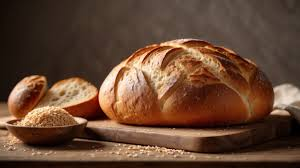
We are a little like the bread. We have basic ingredients – you know, bones and muscles and brains and organs, all the important stuff. Add to that the vast variety of experiences we each have, times when we were babies, times spent in a school or at work or in the woods, times with friends, good times and bad times (you know I’ve had my share). All these mixed in like different ingredients in different amounts at different times and in different orders, and then some magic happens – and yes that usually involves a little metaphorical heat. Like the bread, this is the way we are made. We are made by the way we take in these experiences, by the way we live and interact with the people around us and we become ourselves. Through some magic of interaction, the alchemy of living – just as the flour and eggs and such become bread – our experiences shape us into being us. For which we give thanks.
There was a bit in the story about how one beggar thanked the queen and the other beggar thanked God. It may seem like the story is telling us that the one who thanked God is better, but that’s not what the story is about. The story is about the queen and the queen’s realization. It doesn’t matter who you thank, so long as you are thankful. God, the universe, the powers that support and uphold life; the point of the story is about humility and gratitude. It’s about being thankful and appreciating your place in it all.
Often it is before a meal that we stop and give thanks, offer a blessing, notice and appreciate our place in it all. As in the story, when the beggars received the bread and gave thanks, many people take that moment before receiving food to offer appreciation for our place in it all. Really, this is all a message about communion. And I mean that word, communion, in a particular way.
Communion is a deeply Christian ritual, but many religious traditions – without using that word – have rituals of gratitude and connection associated with food. We Unitarian Universalists have gone a different direction; we use the word ‘communion’ with rituals not connected to food. We have our Water Communion in the fall and Flower Communion in the spring. We use the ritual to note our basic connection to life. Both our Flower and our Water services have all the necessary elements for communion, but do not use bread
As Unitarian Universalists, we see the world as an interdependent web. We see how the bread or the water or the flower is more than symbolically a way to remember our connection to that which sustains us, it is the same stuff as us. We are interconnected. It is all part of the alchemy of our living.
As I was saying earlier about how the bread is made – what makes it bread is the interconnection of the ingredients and the interaction with the heat. And the bread is not the only thing interconnected with everything.
Think for a moment about how the bread connects to you simply by eating it. At what point does the bread you eat cease to be ‘bread’ and suddenly become you? Is it when the bread enters your mouth? Or perhaps somewhere along the way when the bread is being broken down and absorbed into your blood steam? Is it you then, and no longer something ‘not-you’? At some point, you and the bread become so connected it is not possible to tease out which is which.
People talk about ‘communing with nature’ to describe an intentional way of walking in the woods, a way of experiencing the overlapping of you and ‘not-you’. But really, when are you not communing in some way with the universe? Where does the universe stop and you begin? Communion is a powerful ritual reminding us that some boundaries defining the self are traversed on a regular basis; and perhaps we can be mindful and intentional about what we bring in to ourselves and send back out. About what ingredients are included in that alchemy of our living and the living of those with us on this journey.
When we are finished with the service, I will lead us to take the bread from the focal point out to the social hall. I hope you will find an opportunity to enjoy some of the bread, perhaps even take it as part of a ritual intention of gratitude for how you fit in with the grand interconnected glory of God and the Universe and all that is and ever shall be.
In a world without end,
May it be so
 Rev. Douglas Taylor